Hospitality is one of those words that looks good on a quote but nobody is quite sure what it means.
We have seen all sorts under that name, from one person at the door saying hello to services that included flight tracking, car coordination, waiting room management and personal attention for 40 VIP guests over three days.
Hospitality and reception
Reception looks after everyone, while hospitality looks after specific people.
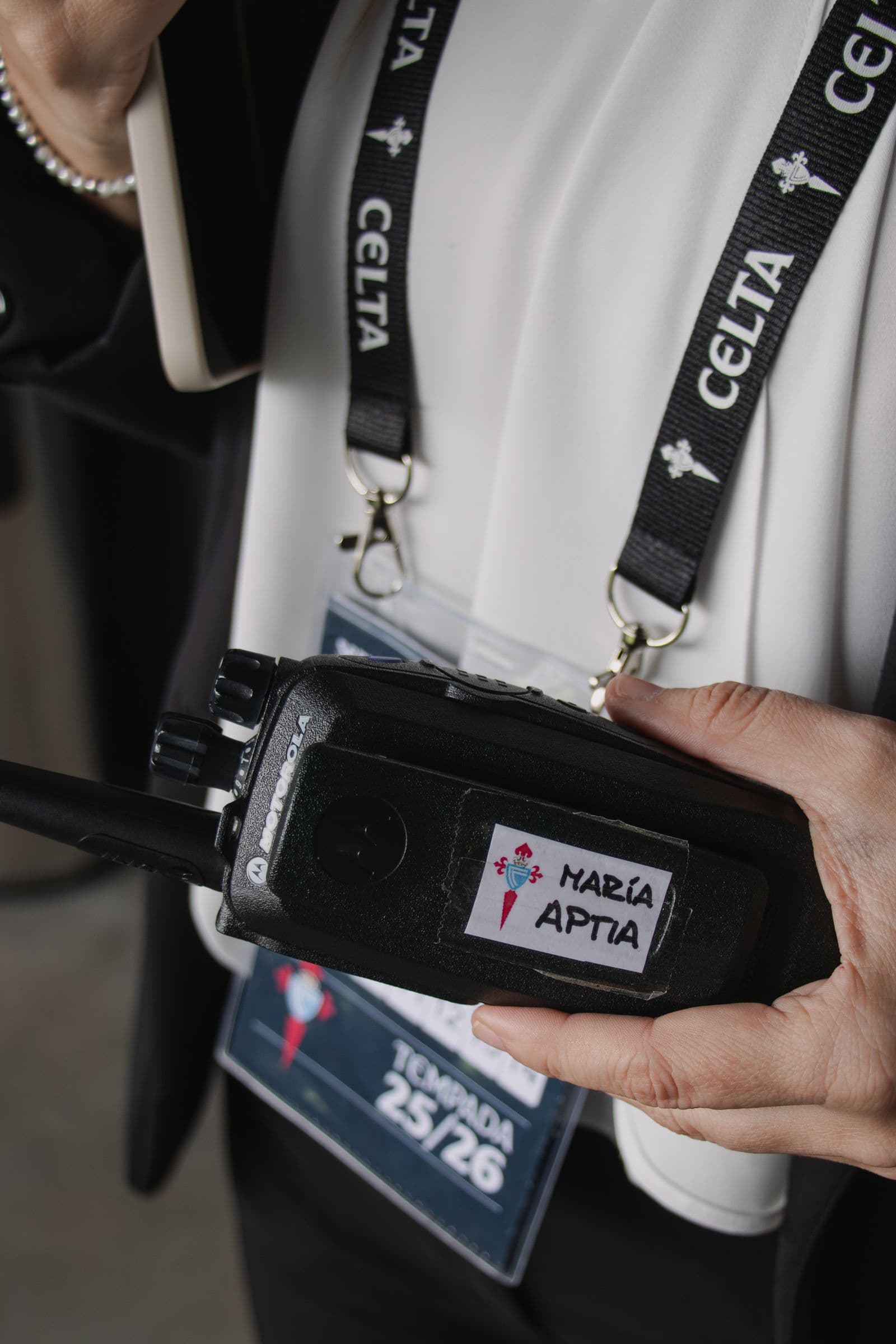
When a speaker arrives at your congress, you don't want them queuing with the 300 attendees. You want someone to be waiting for them, take them to the speakers' room, ask whether they need anything and let them know 10 minutes before their slot.
And if the managing director of your most important client comes to your event, someone should take them to their seat, introduce them to the people they ought to meet and make sure they have water, coffee or whatever they need, so they are not left looking for somewhere to sit.
That is what hospitality is about. It means individual attention for people who, for whatever reason, need to be treated differently.
What it includes (when it is done well)
Before the event:
- Knowing who the VIPs are and what each of them needs
- Coordinating arrivals (flights, trains, cars)
- Preparing personalised materials, if there are any
- Knowing the restrictions: diets, accessibility, preferences
During the event:
- Welcoming each VIP individually
- Taking them to the right area
- Being reachable for whatever they need
- Running the VIP or speakers' room, if there is one
- Coordinating with the rest of the team (production, catering, security)
- Solving problems before the VIP has to ask
What isn't seen but matters:
- Knowing who is who (whoever does hospitality can't ask "are you...?")
- Anticipating, noticing that someone is looking for something and going over before they ask
- Discretion, being present without crowding people
When you need it
It isn't always necessary. An internal event with your team doesn't need it, and nor does a training session for 20 people.
You need it when there are people whose impression of the event matters more than everyone else's:
External speakers. They come from elsewhere, don't know the venue and have to be in the right place at the right time. If something goes wrong, it really shows.
Important clients. Those who already buy from you, those who might and those with decision-making power. The impression they take away from the event will end up reflecting on your company.
Sponsors. They have paid to be there and expect to be treated accordingly.
Institutions and authorities. They have their own protocols and expectations, and you need to know them.
International delegations. Language, cultural differences and travel logistics mean they need someone to look after them.
The difference between having it and not having it
Think of the 12:00 speaker. If nobody has told them that the speakers' room is not the press room, you will end up looking for them yourself at 11:55, when you should be welcoming attendees. With someone from hospitality looking after them, they will be in the right room from 11:30, with their presentation loaded and knowing when they are on and who will introduce them.
Something similar happens with your biggest client. If their managing director arrives, can't find their badge, queues and asks three times where the room is, they will probably tell you afterwards that the event was "fine". If someone is waiting for them at the entrance, takes them straight to the front row without queuing and brings them a coffee before they ask, they leave with a very different memory.
What profile is needed
Not everyone is suited to hospitality.
The right presence. What counts is poise and conveying professionalism through posture, tone and the way you move, much more than looks.
Initiative. Whoever does hospitality doesn't wait for instructions. They spot what is needed and act.
Memory and attention. If you are looking after 15 VIPs, you have to know who each of them is, what they need and what you have told them before. You can't ask the same thing twice.
Handling stress. When something goes wrong (and something always does), you sort it out without the VIP noticing there was a problem.
Absolute discretion. What happens with a VIP is not talked about outside.
This isn't learnt in an afternoon, which is why hospitality costs more than other services.
What affects the price
The price depends on how many people are needed and for how many hours or days, the languages and experience of the profile and whether the service needs its own coordination. Multi-day events or events with many VIPs require more. If guests have to be accompanied outside the venue, travel and subsistence costs also come into it, and in high season it is worth booking in advance.
It costs more than a standard hostess because the work is different. If you have international speakers or important sponsors, having someone look after them properly is consistent with what you have already invested in the event.
The most practical step is to ask for a quote with the details of the event.
An easy way to decide
Make a list of the people attending your event and mark those whose bad experience would be a real problem for you, not just an inconvenience, such as losing a client, looking bad in front of a sponsor or a speaker not wanting to come back.
If that list has more than 5 names, you need hospitality.
If it has more than 15, you need hospitality with a coordinator.
If it has more than 30, plan it well ahead, because you will need a larger team.
We have provided hospitality at medical congresses, corporate presentations and gala dinners attended by authorities. In Galicia we know the venues, the hotels where VIPs usually stay and the restaurants for private meals. If you have an event where the way certain people are treated is critical, we can take care of it.